Randevu +90 324 238 83 83
7/24 Bilgi Hattı. +90 541 720 83 83

Last updated on October 14th, 2026 at 11:26 pm
A cataract is a loss of clarity in the eye’s natural lens. It can cause symptoms such as blurred vision, faded colours and sensitivity to light. During surgery, the cloudy lens is removed and replaced with an artificial intraocular lens.
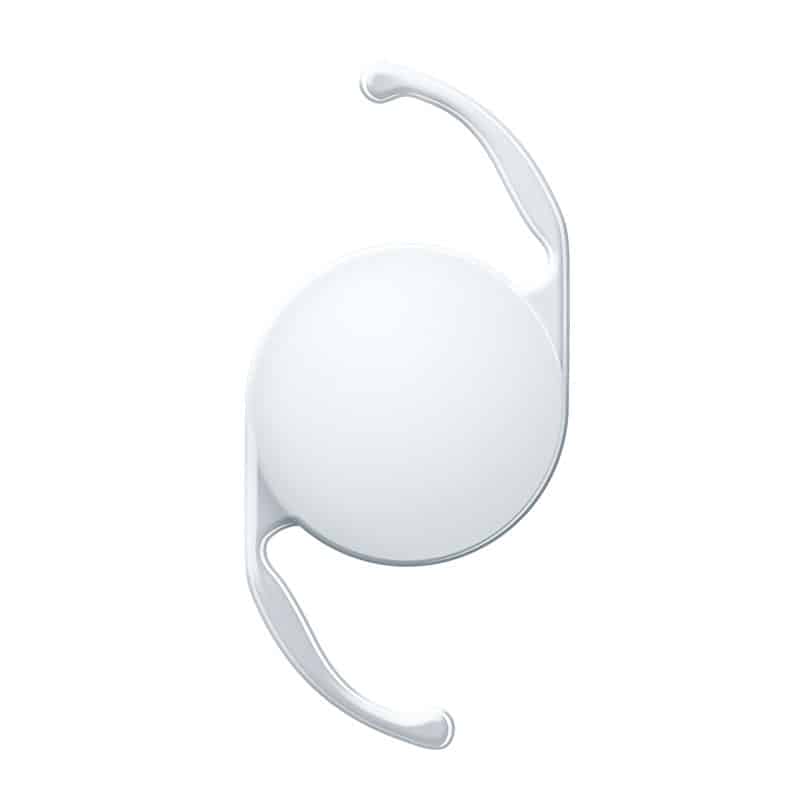
Designed to provide clear vision at one distance. They are usually planned for distance vision; in this case, glasses are needed for reading and close work.
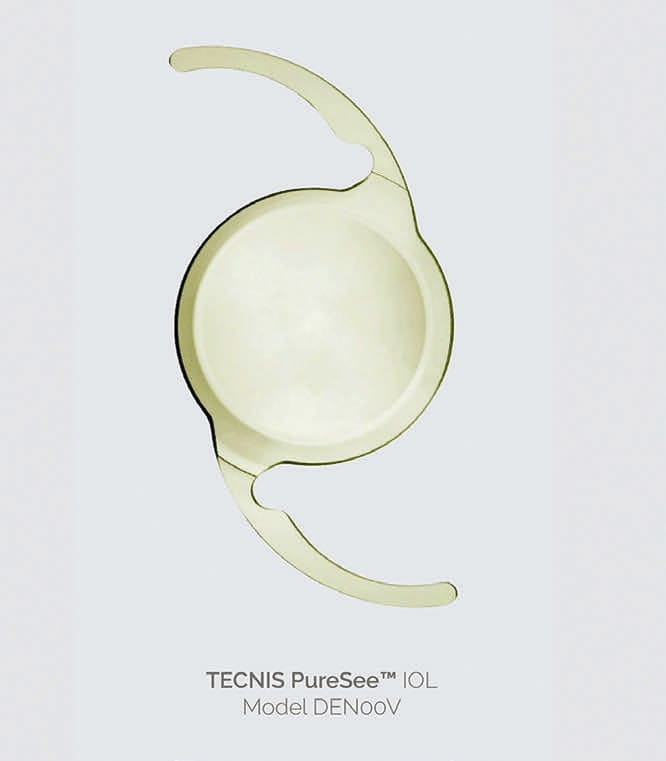
Designed to reduce the need for glasses at far and intermediate distances, such as when using a computer. Glasses may be needed to read small print and perform detailed tasks at close range.
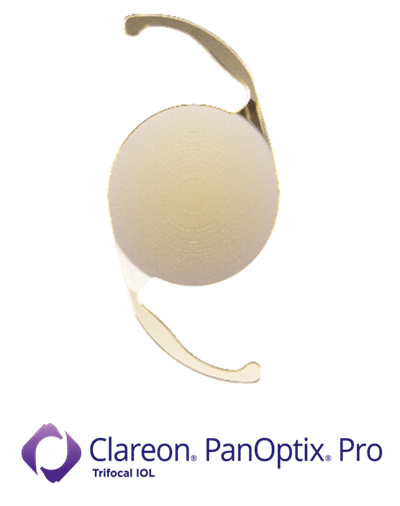
Support vision at more than one distance. Trifocal lenses aim to reduce the need for glasses for far, intermediate and near vision. Halos and glare around lights may occur, particularly at night; these lenses are not suitable for every eye.
Used to reduce astigmatism. In suitable models, toric correction can be combined with monofocal, EDOF or multifocal lenses.
A commonly used term, particularly for multifocal lenses. It does not describe a single lens model and does not guarantee completely glasses-free vision.
Your eye measurements and the health of your cornea and retina are assessed. Your reading habits, computer use and need to drive at night are also taken into account.
At Vizyon Eye Hospital, CER-AI decision support assists our doctors with this assessment. The final decision on the lens type and power is made together with your eye surgeon, based on your examination findings and expectations.
When a premium (smart) lens is implanted during cataract surgery, the most important point is that the chosen lens truly suits the patient’s eye. If an unsuitable lens is implanted, visual quality may fall short of expectations and the lens may even have to be surgically removed. What matters is not the best or the most expensive lens, but the lens that best fits the patient’s eye. To make this decision we use CER-AI, an AI-assisted program developed in-house at our hospital. CER-AI does not replace the examination; the final decision always rests with the surgeon.
Cataract surgery is most commonly performed using phacoemulsification. Before surgery, the expected benefits, possible risks and lens options are discussed. Afterwards, it is important to use the prescribed eye drops and attend follow-up examinations.
Telephone: 0324 238 83 83
WhatsApp: 0541 720 83 83
Detaylı Bilgi İçin Uzmanlarımızla Görüşün
Turgut Reis Mah. 4119 Sokak No 45/A (Çetinkaya AVM Karşısı) Akdeniz/MERSİN
.
© 2026 Özel Vizyon Göz Hastanesi
Got more questions?
Learn more from one of our experts
Turgut Reis Mah. 4119 Sokak No 45/A Akdeniz/MERSİN
e-mail: info@vizyongozhastanesi.com
© 2026 Vizyon Eye Hospital
Randevu +90 324 238 83 83