
Randevu +90 324 238 83 83
7/24 Bilgi Hattı. +90 541 720 83 83
Home »
Glaucoma, a serious and insidious eye condition, damages the optic nerve, which is essential for eye health and good vision. This damage is often caused by abnormally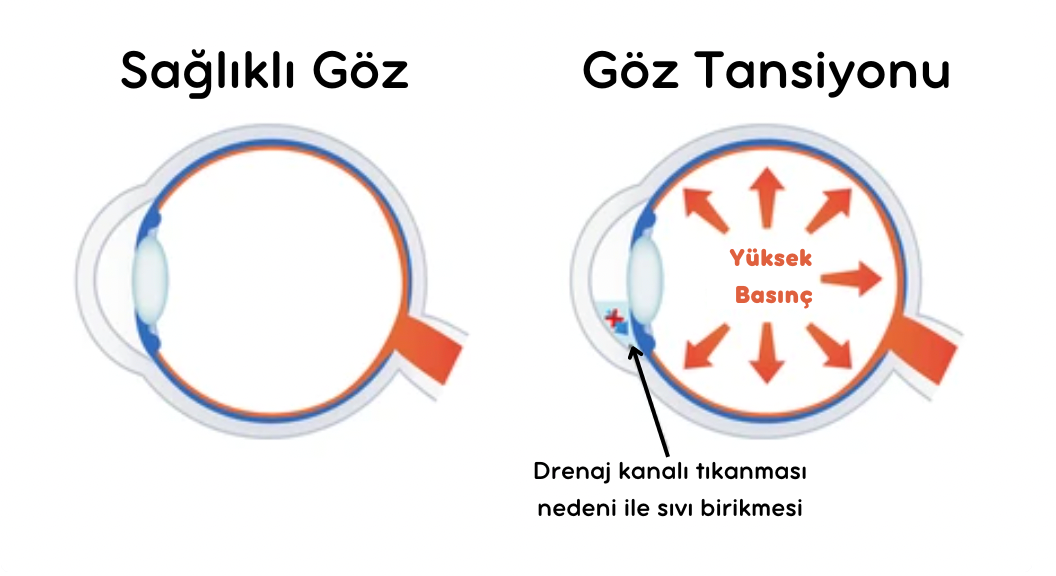 high pressure in the eye, known as intraocular pressure . In particular, Glaucoma, is one of the leading causes of blindness in people over 60. It can occur at any age, but is more common in older adults.
Glaucoma often has no warning signs. The effect is so gradual that you may not notice a change in vision until the condition has reached an advanced stage.
In particular, glaucoma -related vision loss cannot be reversed, so regular eye examinations, including eye pressure measurements, are important for early diagnosis and appropriate treatment. If high intraocular pressure is detected early, vision loss may be slowed or prevented. If you have Glaucoma you will generally need treatment for the rest of your life.
Glaucoma signs and symptoms vary according to the type and stage of your condition.
For example:
In particular, Glaucoma if left untreated, this disease eventually causes blindness. Even with treatment, around 15% of people with glaucoma may develop blindness in at least one eye within 20 years.
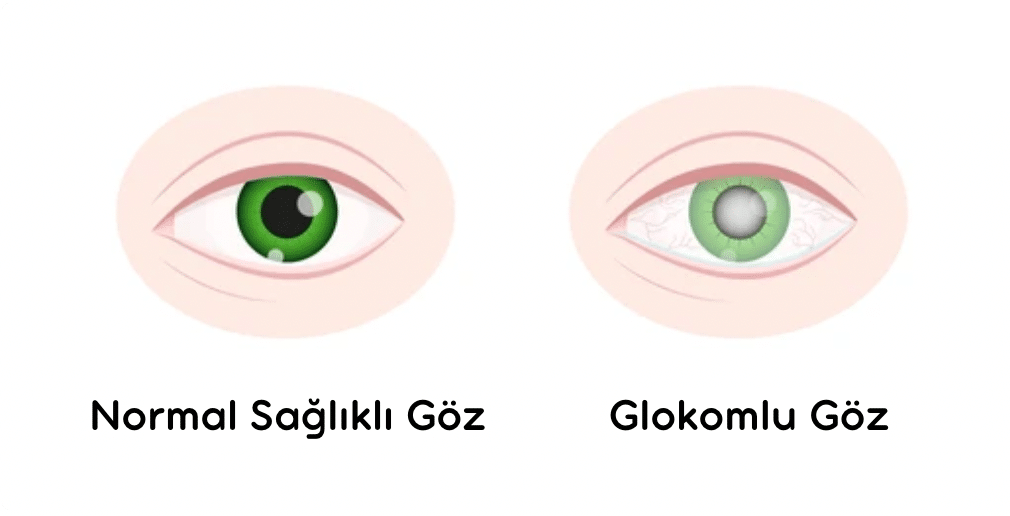
If you experience symptoms of acute angle-closure glaucoma such as severe headache, eye pain and blurred vision, call our hospital immediately and arrange an examination with our ophthalmologist.
Have regular, detailed eye examinations. Regular comprehensive eye examinations help detect glaucoma in its early stages, before significant damage occurs. As a general rule, we recommend a comprehensive eye examination every two to three years if you are under 40. In particular, we recommend examinations every two years from ages 40 to 54, every year from 55 to 64, and once or twice a year if you are over 65. If you are at risk of glaucoma, you will need more frequent screening. Ask your doctor to recommend the right screening schedule for you.
Learn your family’s eye health history. Glaucoma tends to run in families. If you are at increased risk, you may need more frequent screening.
Exercise safely. Regular, moderate exercise may help prevent glaucoma by reducing eye pressure. Talk to your doctor about an appropriate exercise programme.
Use prescribed eye drops regularly. Glaucoma eye drops may significantly reduce the risk of high eye pressure progressing to glaucoma. To be effective, eye drops prescribed by your doctor must be used regularly, even if you have no symptoms.
Use eye protection. Serious eye injuries can cause glaucoma.
Cataract surgery is one of the most suitable operations for improving vision in patients with glaucoma.
Dr. Hüseyin CENGİZ
Dr. Efsane H. CENGİZ
Dr. Ümit ATİK
Dr. Ali ÖZER
Dr. İdil GÖKSEL
Dr. Fatih BALTU
Dr. Ümit YAPICI
Click the useful links below: Who are our experienced specialist ophthalmologists?, Everything You Need to Know About Cataract Surgery, About the Sensitive Patient Programme. Everything You Need to Know About Vitrectomy Surgery.
Detaylı Bilgi İçin Uzmanlarımızla Görüşün
Turgut Reis Mah. 4119 Sokak No 45/A (Çetinkaya AVM Karşısı) Akdeniz/MERSİN
.
© 2026 Özel Vizyon Göz Hastanesi
Got more questions?
Learn more from one of our experts
Turgut Reis Mah. 4119 Sokak No 45/A Akdeniz/MERSİN
e-mail: info@vizyongozhastanesi.com
© 2026 Vizyon Eye Hospital
Randevu +90 324 238 83 83