Randevu +90 324 238 83 83
7/24 Bilgi Hattı. +90 541 720 83 83
Eyelid aesthetic surgery (blepharoplasty) is cosmetic surgery that removes excess skin or fat from the upper and lower eyelids. The aim is to give deformed or drooping eyelids or eye bags a beautiful, natural appearance.
Upper eyelid surgery corrects the area between the eyebrow and eyelashes. Lower eyelid surgery treats the area between the eyelashes and cheek. Blepharoplasty essentially involves removing excess skin or tissue from these areas and reducing the underlying fatty tissue to achieve a younger appearance.
Why might you need eyelid surgery?
Eyelid surgery can be performed for various reasons. A ‘tired’ facial appearance is the most common reason patients choose eyelid surgery. Heavy eyelids and bags under the eyes create a constantly tired appearance.
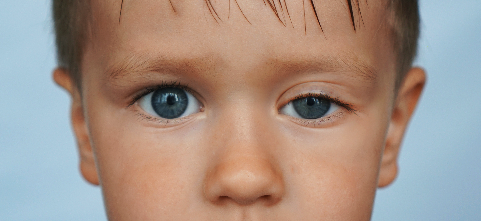
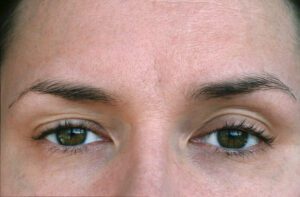
Some patients have asymmetrical eyelids, and eyelid surgery can be performed to restore symmetry.
In some people, an upper eyelid that does not lift sufficiently can obstruct vision. As a result, you may not be able to see fully. Eyelid surgery is also performed to address this problem and improve vision.
‘Tired’-looking eyes
A ‘tired’ appearance is the most common reason patients choose eyelid surgery. Eyelids that do not open sufficiently and prominent bags under the eyes give your face a constantly tired expression.
Asymmetrical appearance
Some patients have asymmetrical eyelids, and eyelid surgery can be performed to make them symmetrical.
Sagging eyelid skin
In some people, sagging upper eyelid skin can obstruct the field of vision. This narrows your visual field and affects your sight. Eyelid surgery is performed to address this problem and expand your field of vision.
Ageing
As we age, changes in skin tissue show the early signs of ageing. As a result, eyelid movement becomes restricted and the skin appears saggy. As the skin ages, the eyelid muscles lose their tone and become loose along with excess muscle tissue.
An important factor is the forward bulging of fatty tissue from the eye socket, causing a change in shape. The supporting tissue weakens over time, allowing the fat to protrude. This also causes prominent bulges on the inner upper eyelids and bags beneath the lower eyelids.
Midface
Another important effect of ageing is downward sagging of the midface. A young lower eyelid shares a smooth contour with the cheek. An ageing eyelid often becomes separated from the cheek because the midface sags, making the face look older.
A young face also has a fullness that fades with age, creating lines and hollows and sometimes a gaunt appearance. Although these are all natural changes associated with ageing, smoking, sun exposure and hereditary factors accelerate the process.
Thyroid Eye Disease
There are also various disfiguring conditions, such as thyroid eye disease. To restore the natural appearance of the eyes, eyelid surgery may be needed. Very successful results can be achieved with this type of surgery.
Dr. Fatih BALTU
Dr. İdil GÖKSEL
Eyelid surgery is generally performed in the late thirties or later, when signs of ageing appear. However, there is no specific age requirement for blepharoplasty, so it depends on the patient’s wishes.
Surgery may also be considered in the early twenties if there is a genuine underlying problem. You may choose eyelid surgery if bags beneath your lower eyelids are prominent and affect your facial expression.
Anaesthesia
Upper eyelid surgery is usually performed under local anaesthesia, with or without sedation. Lower eyelid blepharoplasty is generally performed under local anaesthesia and sedation, or under general anaesthesia if the patient prefers.
When performing both upper and lower eyelid surgery, our preference is local anaesthesia with sedation or general anaesthesia. This procedure may also be performed under general anaesthesia at the patient’s request.
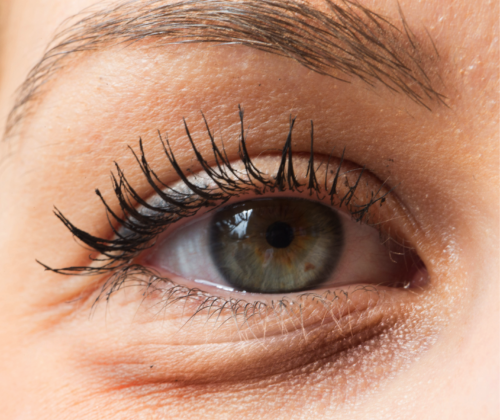
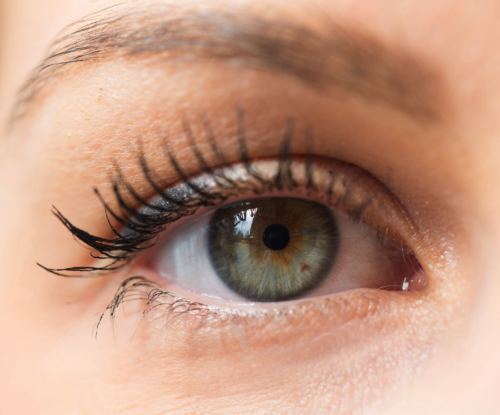
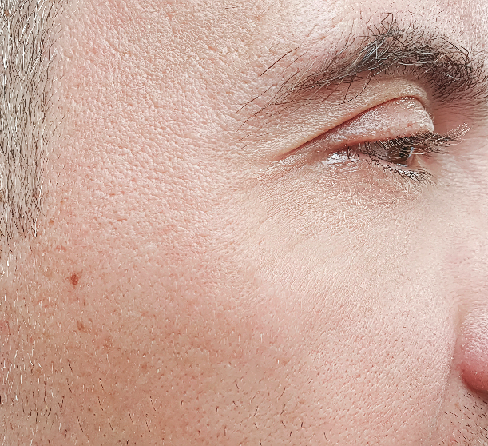
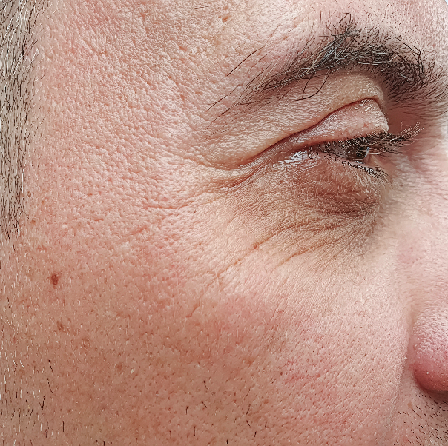
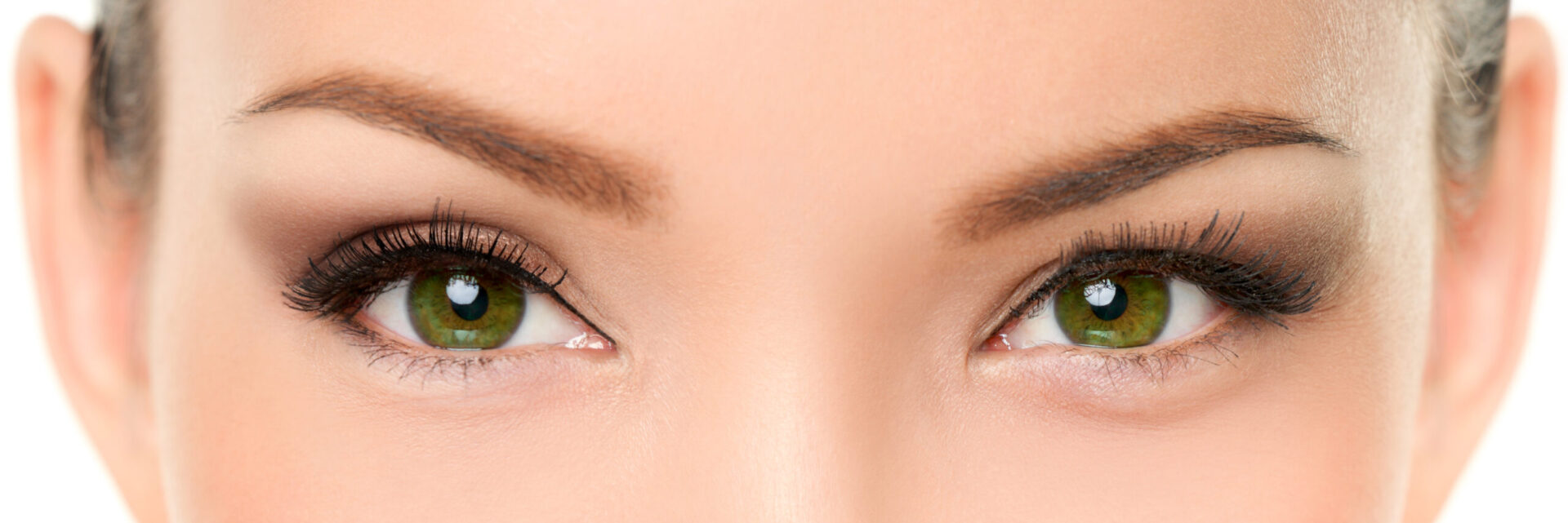
Eyelid deformities are divided into entropion and ectropion. Both are conditions that affect your eyelid.
Definition of entropion: A deformity in which the eyelid turns inward, causing the eyelashes to rub against the cornea, the transparent outer layer at the front of the eye.
Definition of ectropion: A deformity in which the eyelid sags outward or downward. In patients with ectropion, the eyelashes do not touch the cornea.
The problem is usually caused by ageing. Sometimes scar tissue pulls the eyelid out of position, or the condition may be present from birth. Usually, only the lower eyelid is affected.
This problem can be corrected through eyelid deformity surgery for ectropion or entropion performed by our oculoplastic eye surgeon. Your eyelid will then be in a better position, and the symptoms and discomfort caused by the disorder will be resolved.
Ectropion can be very uncomfortable for patients. It can cause recurrent eye infections and, in severe cases, corneal ulcers. Surgery is the main treatment for ectropion and has a high success rate.
Untreated entropion can damage the cornea, causing infections and eventually loss of vision.
Unfortunately, once it develops, entropion surgery is often necessary to correct the problem.
Ptosis is drooping of the upper eyelid over the eye. The eyelid may droop to varying degrees, covering the pupil. It may restrict normal vision or even block it completely. Ptosis affects both children and adults.
Ptosis surgery tightens the muscle that lifts the upper eyelid. As we age, the levator muscle that raises the upper eyelid stretches and weakens, causing the eyelid to droop.
If you have a drooping eyelid that obstructs your sight, ptosis surgery can be an effective treatment to improve your vision.
If one of your eyelids has begun to droop or your eyelids are at different heights, ptosis surgery can also be performed to give you a younger appearance.
Detaylı Bilgi İçin Uzmanlarımızla Görüşün
Turgut Reis Mah. 4119 Sokak No 45/A (Çetinkaya AVM Karşısı) Akdeniz/MERSİN
.
© 2026 Özel Vizyon Göz Hastanesi
Got more questions?
Learn more from one of our experts
Turgut Reis Mah. 4119 Sokak No 45/A Akdeniz/MERSİN
e-mail: info@vizyongozhastanesi.com
© 2026 Vizyon Eye Hospital
Randevu +90 324 238 83 83