
Randevu +90 324 238 83 83
7/24 Bilgi Hattı. +90 541 720 83 83


Home »
Retinitis Pigmentosa (night blindness), is a hereditary retinal eye disease affecting approximately one in 4,000 people. It is passed down through generations. The night blindness condition affects the retina, the light-sensitive nerve layer lining the back of the eye. It progresses slowly and causes definite vision loss in its later stages. It is also commonly known in Turkish as “tavuk karası“.
In summary, Retinitis Pigmentosa, is part of a group of inherited eye diseases. All forms affect the retina’s ability to detect light. Factors relating to the retinal condition may include:

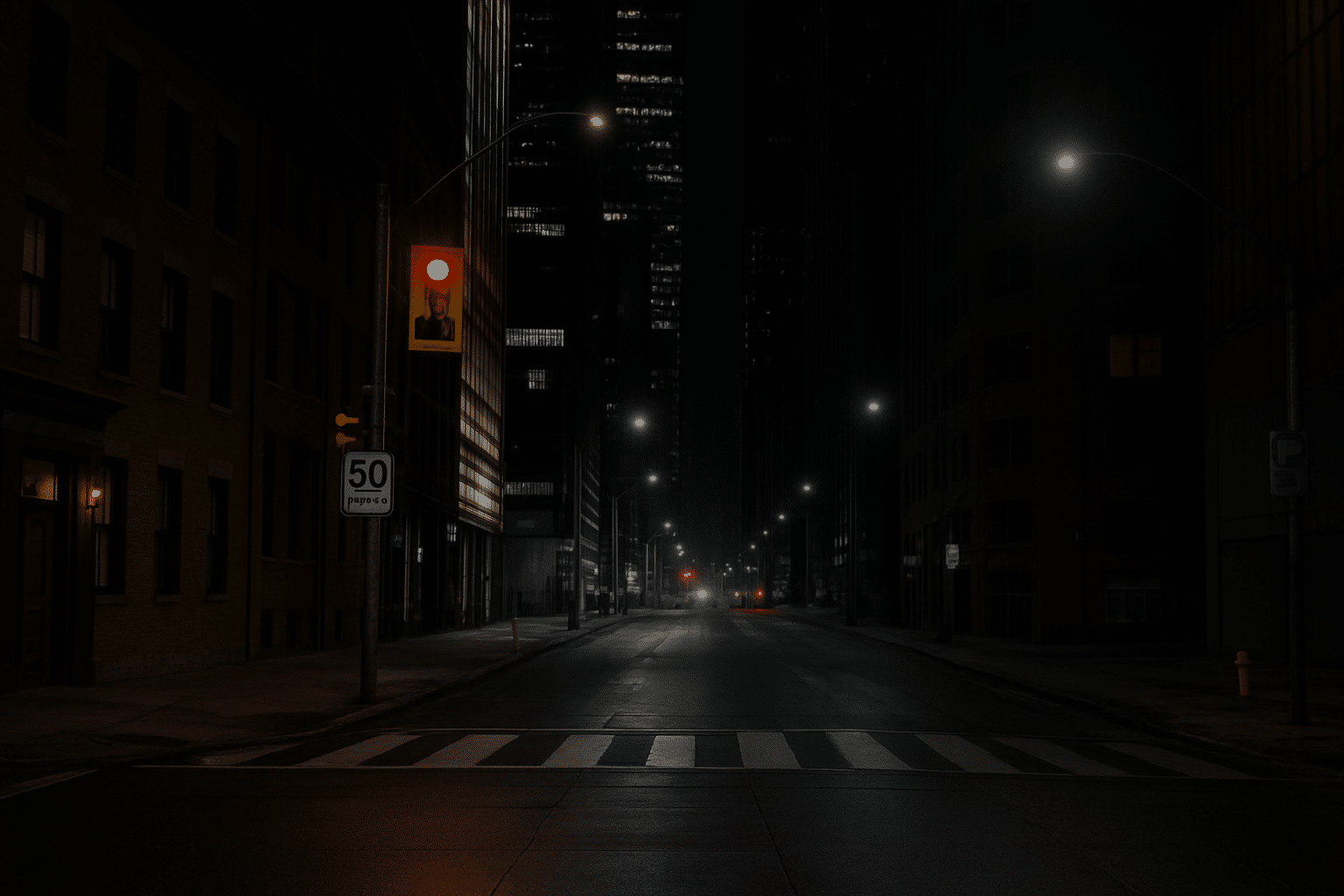
In particular, Retinitis Pigmentosa symptoms can sometimes resemble those of other retinal diseases, so always consult an ophthalmologist for an accurate diagnosis.
Diagnosing night blindness may allow its progression to be stopped or slowed. Patients with this condition may receive sub-Tenon’s PRP (platelet-rich plasma) or Wharton’s jelly stem cell treatment. The aim is to slow or stop the progression of retinitis pigmentosa. PRP or Wharton’s jelly-derived mesenchymal stem cells are used for treatment.
In the early stages, treatment with Wharton’s jelly-derived mesenchymal stem cells for night blindness — retinitis pigmentosa is considered an effective and safe option for slowing or stopping progression without adverse effects.
In particular, Retinitis Pigmentosa if you suspect you have this condition, we recommend booking an appointment with our retinal specialist ophthalmologist as soon as possible.
Dr. Hüseyin CENGİZ
Dr. Efsane H. CENGİZ
Dr. Ümit ATİK
Dr. Ali ÖZER
Dr. İdil GÖKSEL
Dr. Fatih BALTU
Dr. Ümit YAPICI
Click the useful links below: Who are our experienced specialist ophthalmologists? Everything You Need to Know About Cataract Surgery. About the Sensitive Profile Patient Programme. Everything You Need to Know About Glaucoma Treatments.
Detaylı Bilgi İçin Uzmanlarımızla Görüşün
Turgut Reis Mah. 4119 Sokak No 45/A (Çetinkaya AVM Karşısı) Akdeniz/MERSİN
.
© 2026 Özel Vizyon Göz Hastanesi
Got more questions?
Learn more from one of our experts
Turgut Reis Mah. 4119 Sokak No 45/A Akdeniz/MERSİN
e-mail: info@vizyongozhastanesi.com
© 2026 Vizyon Eye Hospital
Randevu +90 324 238 83 83